08 8363 0202


Do I Need Insurance as a Sole Trader? A Guide to Sole Trader Insurance in Australia
Do I Need Insurance as a Sole Trader?
Starting your own business as a sole trader can be an exciting step. You have control over how you work, who you work with and how you grow your business.
But being your own boss also means you’re personally responsible for the risks that come with running the business.
Unlike a company structure, a sole trader structure does not create a separate legal entity between you and your business. This means you can be personally responsible for business debts and liabilities. The Australian Government explains that sole traders have unlimited liability, meaning personal assets may be at risk if things go wrong.
So, do sole traders need insurance?
There isn’t one insurance policy that every sole trader needs. The right cover depends on the type of work you do, the risks involved, your contracts and clients, and the assets and income you need to protect.
Some insurance may be legally required depending on your circumstances, while other types are optional but can provide valuable protection against unexpected events.
What Insurance Does a Sole Trader Need?
There is no universal insurance package for every sole trader. A photographer working from home will have very different risks from a plumber, consultant, electrician or freelance designer.
However, there are several types of insurance that many sole traders should consider.
Public Liability Insurance
Public liability insurance can help protect your business if your work causes injury to another person or damage to their property.
For example, imagine you’re a sole trader working at a client’s premises and accidentally damage expensive equipment. Or a customer is injured because of something connected with your business activities.
Public liability insurance can help cover your liability for certain claims for injury or property damage, subject to the terms, conditions and exclusions of the policy.
For some occupations and industries, public liability insurance may also be a contractual or regulatory requirement.
Maxton provides [Public & Products Liability Insurance] for businesses looking to protect themselves against a range of liability risks.
Professional Indemnity Insurance
If your business provides professional advice, services, designs or expertise, professional indemnity insurance may be important.
Professional indemnity insurance is designed to respond to certain claims arising from professional advice or services, including allegations such as errors, omissions, negligence or breaches of professional duty, depending on the policy.
For example, a consultant may provide advice that a client believes caused them a financial loss. A professional indemnity policy may respond to an eligible claim and associated legal costs, subject to the policy wording.
Professional indemnity insurance is mandatory for some professions, so it’s important to check the requirements that apply to your industry.
You can learn more about Professional Indemnity Insurance through Maxton.
Income Protection and Accident & Illness Insurance
As a sole trader, you are the business.
If you’re unable to work because of an illness or injury, there may be an immediate impact on your ability to generate income.
This is one of the key differences between being a sole trader and having a business with employees who can continue operating while you’re away.
Income protection can provide a benefit if you are unable to work due to sickness or injury, subject to the terms of the policy. business.gov.au notes that income protection can cover part of your income if you’re unable to work because of sickness or an accident.
Sole traders are also not covered by workers compensation insurance in the same way employees are. business.gov.au recommends that sole traders consider their own personal death, illness and disability insurance arrangements.
Maxton offers Accident & Illness Insurance as part of its range of business insurance solutions.
Tools, Equipment and Business Property Insurance
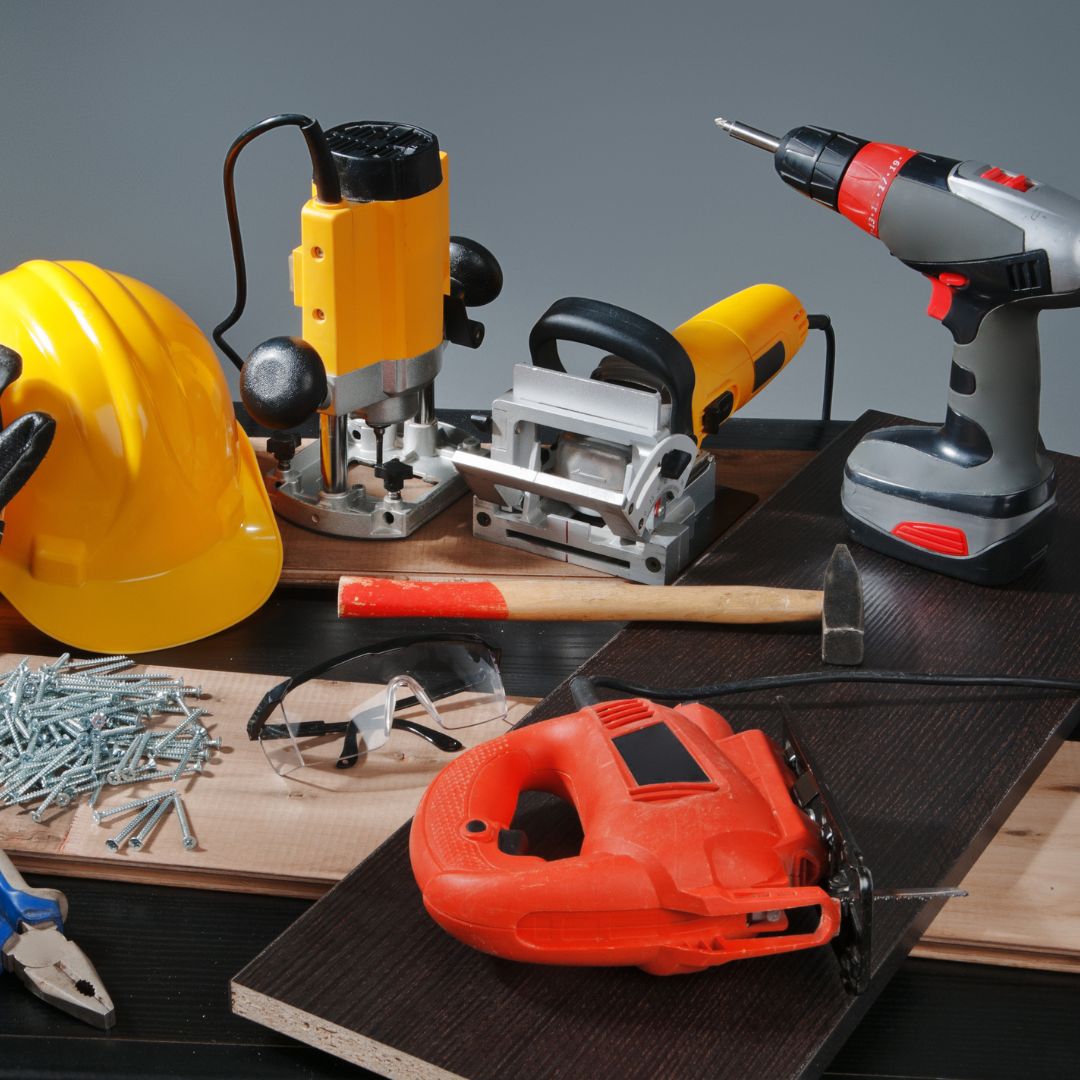
If your business relies on tools, equipment, stock or other physical assets, consider what would happen if those items were stolen, accidentally damaged or otherwise lost.
For a tradie, this might mean tools and equipment.
For a photographer, it could mean cameras and lenses.
For a retailer, it might mean stock.
For a consultant, it could include computers and other business equipment.
The appropriate insurance will depend on the assets involved and where and how they are used. Maxton provides a range of business, general property and trade insurance solutions designed around different business risks.
Business Insurance
Depending on the nature of your business, you may need a combination of covers rather than a single standalone policy.
Business insurance can help address a range of risks associated with operating a business, including property, liability and other exposures.
Maxton works with a diverse range of small and medium-sized businesses, including cafes, restaurants, retailers, wholesalers, medical centres and professional services businesses. Its experienced brokers assess the nature of a business and help identify appropriate insurance solutions.
Is Insurance Legally Required for Sole Traders?
his is one of the most common questions new sole traders ask.
The answer is: sometimes.
The insurance requirements that apply to your business can depend on your industry, occupation, location, contracts and whether you employ other people.
For example, some occupations and industries have specific insurance requirements, while public liability insurance may be required by certain regulators or as a condition of particular contracts.
If you employ workers, your obligations also change. Workers compensation requirements vary between Australian states and territories, and employers generally need to arrange appropriate workers compensation insurance.
If you’re unsure about your legal obligations, speak with the relevant regulator or a qualified adviser.
What Should I Consider When Choosing Sole Trader Insurance?
Rather than asking, “What’s the cheapest insurance I can get?”, it’s worth starting with a more important question:
What could go seriously wrong in my business, and what would it cost me if I had to pay for it myself?
Consider the work you actually do
Your occupation is one of the biggest factors in determining your insurance needs.
Think about:
- Where you work
- Who your clients are
- Whether you visit customer premises
- Whether customers visit you
- Whether you provide professional advice
- Whether you manufacture, sell or supply products
- Whether you use tools, vehicles or specialist equipment
- Whether you work with employees or subcontractors
The more clearly you understand your risks, the easier it is to identify the types of cover that may be relevant.
Review your contracts
Some clients, landlords, builders or organisations may require contractors and suppliers to hold specific insurance.
Before accepting a contract, check whether it specifies minimum levels of cover or particular policy requirements.
It’s important that your insurance reflects the contractual obligations you’re agreeing to take on.
Think about your personal financial exposure
Because a sole trader can be personally liable for business debts and liabilities, it’s worth considering what a significant claim could mean for your personal finances.
Insurance isn’t designed to eliminate every business risk, but appropriate cover can help reduce the financial impact of certain unexpected events.
Review your insurance as your business changes
Your insurance needs aren’t necessarily going to stay the same.
If you:
- Take on larger contracts
- Start working with new types of clients
- Buy expensive equipment
- Employ staff
- Move premises
- Start selling products
- Expand into a new service
- Increase your turnover
your insurance requirements may change too.
Regularly reviewing your cover can help ensure your policies continue to reflect the business you’re actually operating.
How Much Does Sole Trader Insurance Cost?
There isn’t a single price for sole trader insurance.
Premiums can vary depending on factors such as:
- Your industry and occupation
- The type and level of cover
- Your turnover
- The size and nature of your business
- Your claims history
- Where you operate
- The level of risk associated with your work
- The policy excess and limits of liability
This is why simply comparing a premium from one business to another isn’t always meaningful.
The cheapest policy isn’t necessarily the most appropriate policy if it doesn’t provide the cover your business needs.
Do I Need More Than One Type of Insurance?
Potentially, yes.
A sole trader can face several different types of risk at the same time.
For example, a consultant could need professional indemnity insurance because they provide advice, while also considering protection for their income if illness or injury prevents them from working.
A tradesperson may need public liability insurance as well as cover for tools, equipment and other business assets.
The right combination depends on the individual business.
This is where working with an insurance broker can be particularly useful. Rather than trying to work through every possible policy yourself, a broker can assess your circumstances and help you understand the options available.
Why Work With an Insurance Broker?
Insurance can become complicated quickly, particularly when you’re trying to determine which policies, limits and exclusions apply to your specific business.
Maxton Insurance Brokers is an independent insurance broker based in Kent Town, South Australia. The team works with businesses across a range of industries and provides personalised advice based on each client’s business operations and individual needs.
Maxton’s approach is focused on understanding the business first, then carefully selecting insurance solutions that are appropriate to its circumstances. The team also provides support through the claims process when something goes wrong.
Frequently Asked Questions About Sole Trader Insurance
Can I operate as a sole trader without insurance?
Depending on your industry and circumstances, you may be able to operate without certain types of insurance. However, some insurance may be legally required, while clients or contracts may also require specific cover.
Even where insurance isn’t compulsory, it can still be worth considering the financial risks your business faces.
Do sole traders need public liability insurance?
Not every sole trader is legally required to have public liability insurance, but it can be an important consideration for businesses that interact with customers, visit client premises or otherwise face risks of causing injury or property damage.
Some industries and contracts may require it.
Do sole traders need professional indemnity insurance?
If you provide professional advice, services or expertise, professional indemnity insurance may be relevant. It is also mandatory for some professions.
The appropriate level and type of cover depends on your business and professional obligations.
Does workers compensation cover sole traders?
Generally, workers compensation schemes cover eligible workers rather than the sole trader themselves. Sole traders should consider their own arrangements for illness, injury and loss of income. Requirements and schemes vary between Australian states and territories.
What happens if my business grows?
Your insurance should evolve with your business.
Changes to turnover, employees, premises, services, contracts, equipment or clients can all affect your insurance requirements. Reviewing your cover regularly can help identify gaps before they become a problem.
Protect Your Sole Trader Business
Running your own business comes with freedom, flexibility and plenty of responsibility. While you can’t predict every problem that might arise, you can take steps to reduce the financial impact of some of the risks you face.
The right insurance for a sole trader will depend on your individual circumstances, industry and business activities. There is no one-size-fits-all solution.
If you’re unsure what insurance your sole trader business needs, speak with the team at Maxton Insurance Brokers] for considered, personalised advice about your options.
This article provides general information only and does not take into account your objectives, financial situation or needs. Insurance cover is subject to the terms, conditions, limits and exclusions of the relevant policy. You should consider the relevant Product Disclosure Statement and seek appropriate advice before making decisions about insurance.